

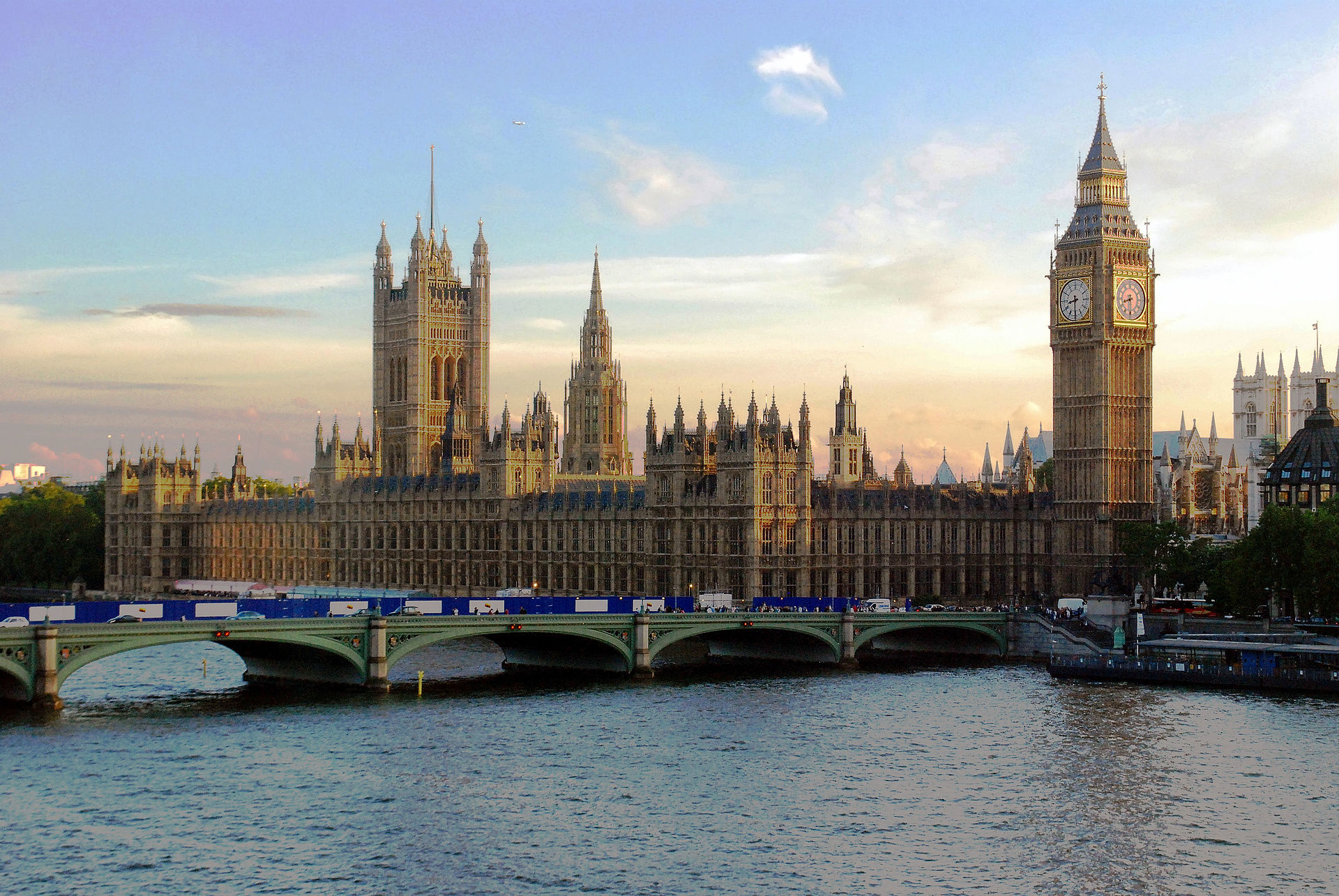
The Labour Government under Prime Minister Keir Starmer has presented its first King’s Speech, unveiling legislative proposals aimed at decentralising power and modernising the British political system. While the proposed reforms, including the English Devolution Bill and House of Lords reform, represent significant steps forward, critics argue that they fall short of the radical changes needed to truly transform the UK’s governance.
One of the most notable omissions from the government’s agenda is the establishment of an English Parliament. Advocates for this radical reform argue that an English Parliament would provide a dedicated legislative body to address the unique needs and interests of England, similar to the devolved legislatures in Scotland, Wales, and Northern Ireland. By failing to include this proposal, the government misses an opportunity to balance the devolutionary framework across the United Kingdom.
In the push for modernisation, some have suggested moving the House of Lords to Birmingham. Such a relocation would symbolise a commitment to decentralisation and bring the legislative process closer to the people outside London. However, the government’s proposal to remove hereditary peers from the House of Lords does not go far enough in addressing the geographic and symbolic centralisation of power.
Another radical idea not addressed in the government’s proposals is the transformation of the Commons Chamber into a House of Representatives, composed of members from devolved legislatures. This change could have created a more representative and inclusive legislative body, ensuring that all regions of the UK have a direct and proportional voice in national decision-making. The proposed modernisation committee in the House of Commons, while aimed at improving standards and work practices, does not tackle this broader structural reform.
Critics also point out the missed opportunity to transform the Lords Chamber into a House of Ministers, made up of members from devolved executives and mayors. This reform could have significantly enhanced the integration of regional and local leadership in the national governance framework, promoting a more cohesive and collaborative approach to policy-making.
While the English Devolution Bill and the House of Lords (Hereditary Peers) Bill represent important steps towards decentralisation and modernisation, they are seen by some as incremental rather than transformative. The government’s focus on strengthening electoral integrity and encouraging democratic participation, along with the proposed modernisation committee, indicates a commitment to reform. However, the absence of more radical changes suggests a cautious approach that may not fully address the demands for a more representative and equitable political system.
The Labour Government’s proposals, though commendable in their intent, have sparked a debate about the scope and ambition of the reforms needed to reshape the UK’s governance. As the legislative process unfolds, the conversation about the future of British democracy and the potential for more radical change is likely to continue.
